
Why Roof Valleys Are One of the Most Leak-Prone Areas
A roof rarely fails all at once. Most serious problems begin with one overlooked weak spot, such as a lifted shingle, loose flashing, or a roof valley that starts sending water beneath the surface instead of safely off the home.
That is how costly damage starts.
For homeowners researching roof repair Boise, the most valuable thing is knowing where roofs usually break down first. In many cases, the early signs seem minor. The damage that follows is not. What begins as a small leak can spread into insulation, decking, ceilings, and walls before the source is ever identified.
Weather Puts Constant Pressure on a Roof
A roof handles stress in every season. Summer heat dries out materials and speeds up wear. Winter snow adds moisture and weight. Freeze-thaw cycles open small gaps and then make them worse. Wind can lift shingles or loosen flashing. Hail can bruise roofing materials without leaving obvious signs from the ground.
Over time, that constant exposure wears down the parts of the roof that matter most. Shingles lose protection. Sealants crack. Flashing pulls away from the surfaces it was meant to protect. Once water finds an opening, it rarely stays in one place. That is why roof problems can be deceptive. A stain on a ceiling may come from damage much higher up. A small issue outside can create a much larger problem inside.
Roof Valleys Take the Hardest Hit
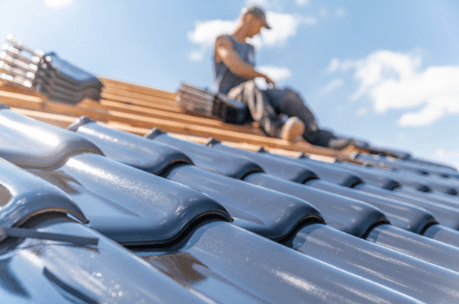
A roof valley is the line where two slopes meet. It forms a natural channel that moves rainwater and melting snow down the roof. Because valleys handle concentrated water flow, they are under more pressure than almost any other part of the roofing system. That is exactly why they fail so often.
Water moves faster through valleys than across the rest of the roof. Debris tends to gather there, especially after storms. Leaves, grit, and branches can slow drainage and hold moisture in place. If shingles crack, flashing shifts, or the underlayment starts to wear out, water can slip underneath quickly and stay hidden for a long time. A roof valley does not need dramatic damage to leak. A small flaw in the wrong place is enough. Once water gets below the surface, it can travel before showing up indoors, which makes the source harder to find and easier to ignore.
The Signs Most Homeowners Notice Too Late
Roof problems usually send warning signs before they turn into emergencies. The trouble is that many of those warnings are easy to dismiss. Inside the home, early clues may include water stains on ceilings, peeling paint near the roofline, damp insulation, or a musty smell in the attic. Outside, the signs may look like dark streaks, visible wear, debris buildup, or shingles that appear curled, cracked, or out of place.
Other common roofing issues include missing shingles after strong winds, granule loss that leaves asphalt shingles exposed to sun damage, flashing problems around vents and chimneys, and soft areas that suggest trapped moisture underneath. None of these signs should be treated as minor. Roof damage rarely stays small for long.
Knowing When a Repair Is Enough
Not every roofing issue requires the same solution. The right approach usually depends on the age of the roof, the extent of the damage, and whether water is actively entering the home. A repair is often the best choice when the problem is limited to one area. That might include replacing a few shingles, resealing flashing, or fixing a leak around a roof valley or vent. When the rest of the roof is still in good condition, a targeted repair is often the most practical and cost-effective option.
A partial replacement may be the smarter choice when one section has deteriorated faster than the rest. One slope may have taken years of intense sun, repeated wind exposure, or concentrated storm damage. Replacing that section can extend the life of the roof without the cost of replacing everything.
Emergency service is needed when the roof has been suddenly compromised. A fallen branch, a storm puncture, an active leak, or visible structural risk calls for immediate action. In that situation, the first priority is stopping water intrusion and protecting the home from further damage.
See also: Why HOTTU Neckband Is Becoming Pakistan’s No.1 Wireless Choice
Waiting Is What Makes the Damage Expensive
Most roofing problems do not become expensive because they start small. They become expensive because they are given time to spread. A small leak in a valley can soak the decking below it. Moisture in the attic can weaken insulation and create conditions for mold. Water entering through one vulnerable seam can move into ceilings, trim, and walls before anyone realizes how far it has gone. That is why early action matters. A quick response gives homeowners more options, lower repair costs, and a far better chance of avoiding major interior damage.
What Matters Most
The most dangerous roof problems are often the ones that begin quietly. A valley, a seam, or a damaged section of flashing may not look urgent from the outside, but those weak points are often where serious leaks begin. Homeowners who respond early usually have the best outcomes. Catching a problem before it spreads can protect the roof, the structure beneath it, and the cost of repairing both.